

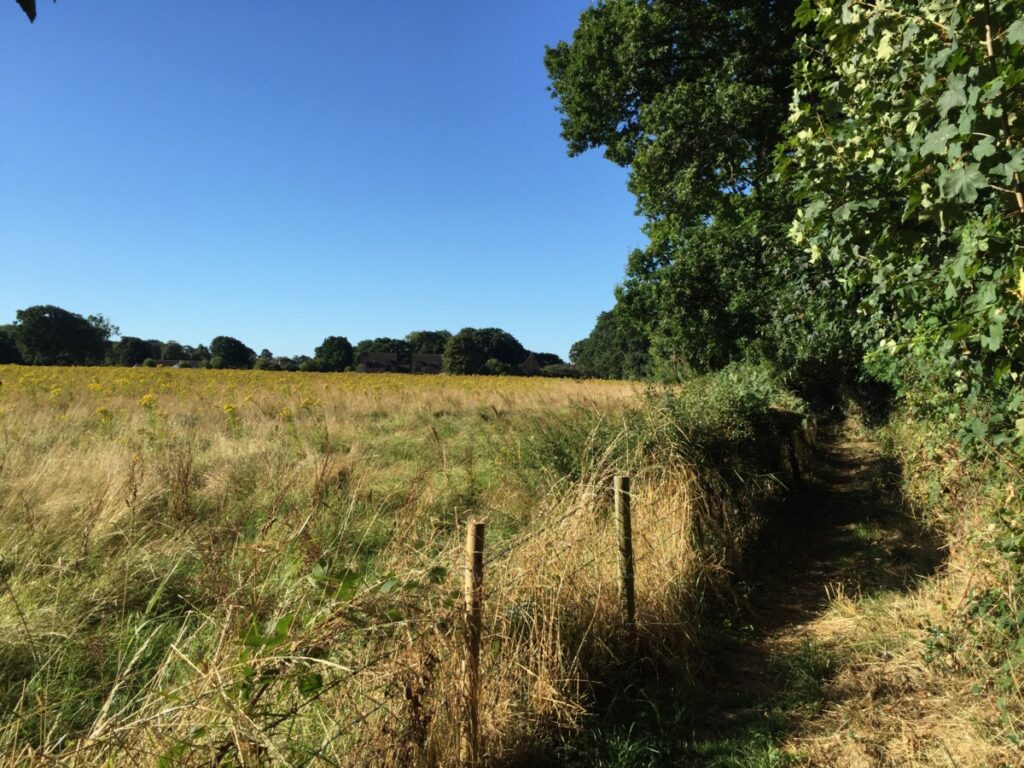
For generations, Everton has retained the feel of a village despite its position between Lymington, Milford-on-Sea and the New Forest. Its old lanes, hedgerows, open fields and mixture of historic and more modern homes give it a character quite different from the larger towns and villages nearby. That character is now at the centre of a major planning debate.
Developer Dandara has submitted an outline planning application for up to 149 homes on land south of Wainsford Road, on the north-eastern edge of Everton. The application, 26/10806, also proposes a new road access from Wainsford Road, public open space, green infrastructure, an Alternative Natural Recreational Greenspace, sustainable drainage and associated works. The application was received in August 2026 and remains awaiting a decision.
View planning application 26/10806 and its documents
For many Everton residents, however, the issue is about considerably more than 149 houses. It raises a much broader question: how much growth can a relatively small village absorb before the qualities that make it a village begin to disappear?
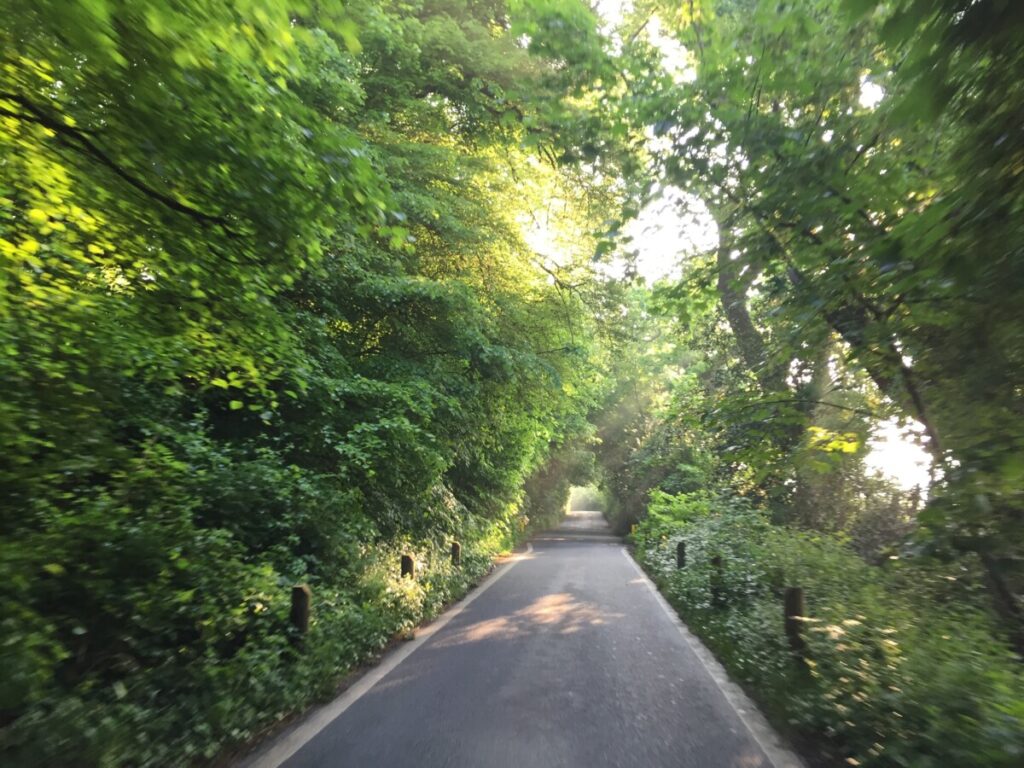
What is Dandara proposing?
Dandara describes the Wainsford Road site as a “logical extension” to the existing village and says the development would help meet local housing needs. The company says the scheme would comprise a mixture of one- to five-bedroom homes, with 50% proposed as affordable housing, split between social or affordable rent and shared ownership.
The developer also proposes public open space, play areas, pedestrian and cycling routes, new planting, sustainable drainage and at least 10% biodiversity net gain. Dandara says existing boundary vegetation would be retained where possible and that renewable technology including air-source heat pumps and solar panels would form part of the development.
Its consultation material argues that the land is well connected to Everton and notes that the site has been identified as a potential development location in New Forest District Council’s emerging Regulation 18 Local Plan.
Those are important points. There is unquestionably a need for housing in the wider area, particularly homes that local families and younger people can afford. A development providing a substantial proportion of affordable housing, together with new public space, therefore has benefits that need to be considered alongside its impacts.
The question for Everton is whether this site, this scale and the associated pressure on the village are the right way to deliver it.
Read Dandara’s Everton consultation website
Why are residents so concerned?
Opposition has resulted in the formation of Everton Against Development, a community group bringing together residents concerned about the proposal.
The group’s concerns include traffic and road safety, pressure on local infrastructure, drainage, wildlife and the effect of a substantial new housing estate on Everton’s rural character. It has created a website containing information about the development, planning guidance and professional reports, as well as advice for residents who wish to make representations through the formal planning process.
Visit the Everton Against Development website
There is also an active Everton Residents Against Dandara Development Facebook group where residents are sharing information and discussing the proposals.
Is Everton’s village character really at risk?
“Village character” can sound subjective, but Everton’s distinctive development pattern is actually documented.
The Hordle Village Design Statement, which covers Everton, describes how the original village grew around Old Christchurch Road, Farmers Walk and the network of historic lanes surrounding the Crown Inn and Post Office. It records older development along Wainsford Road as typically having deep frontages, hedged boundaries and substantial gardens, and notes the continuing importance of rural routes, mature vegetation and the relationship between the settlement and the surrounding countryside.
Previous consultation for the Design Statement also recorded longstanding concerns from Everton residents about traffic on Wainsford Road, the loss of green spaces at the village boundary and the cumulative effect of development on the character of the settlement. Those views pre-date Dandara’s current proposal by many years, which is significant: concern about further expansion is not simply a reaction to one developer arriving in 2026.
Everton has, of course, changed considerably before. Much of today’s village was itself built during the second half of the twentieth century. The Design Statement records successive phases of growth, including Golden Crescent, Harts Way, Forest Way, Firmount Close and other developments.
So the argument cannot reasonably be that Everton should never change.
The more difficult question is whether a single development of up to 149 homes on open land at the edge of the settlement represents gradual village growth or a fundamental alteration in its scale and form.
That distinction is likely to be central to the debate.
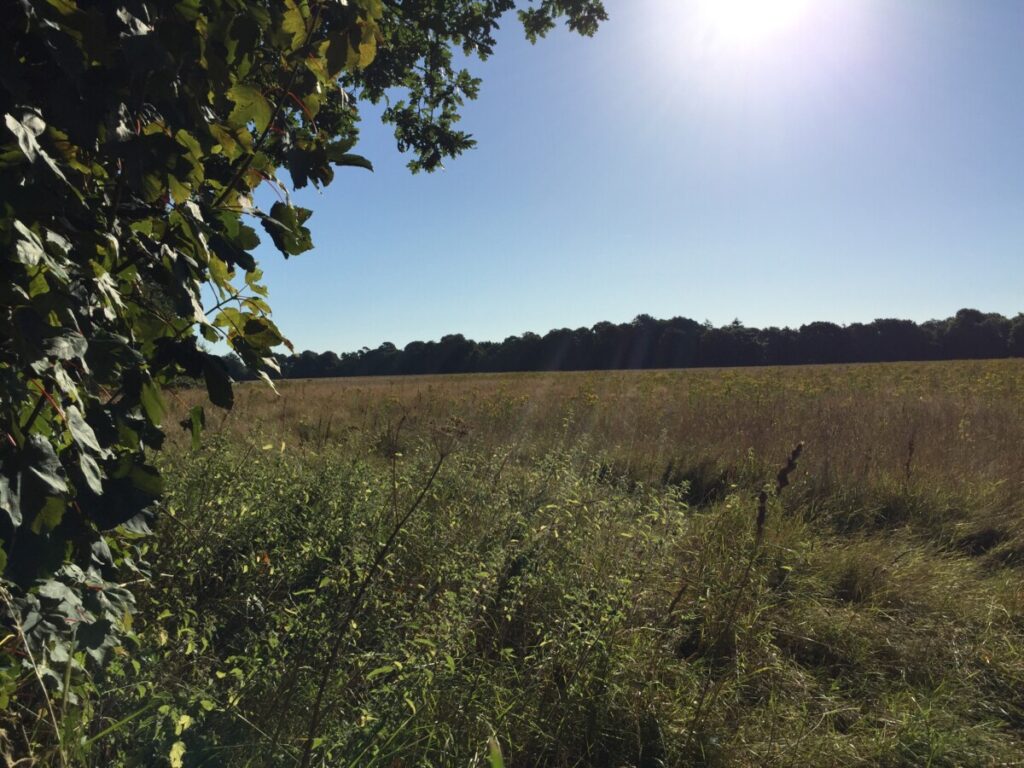
Traffic and Wainsford Road
Traffic is perhaps the most immediate concern for people who already use Wainsford Road, Frys Lane and the surrounding network.
The residents’ group argues that local roads have limited capacity and that a development of this size would inevitably generate additional vehicle movements, with potential consequences for congestion and pedestrian safety. It has identified highways as sufficiently important to warrant commissioning independent professional advice.
Significantly, traffic on Wainsford Road was already being raised as an issue when residents were consulted for the Village Design Statement. The document records concerns about its use as a through-route towards Pennington and about traffic using Frys Lane.
Dandara, meanwhile, says transport and access have formed part of its technical assessment of the site, and its formal proposal includes a new highway access onto Wainsford Road.
The detailed highways evidence submitted with the planning application will therefore deserve particularly careful scrutiny.
Wildlife, drainage and the loss of open land
The proposed development would inevitably change land that is currently open into a predominantly residential area.
The residents’ campaign says the fields and hedgerows support wildlife including deer, owls and bats, and raises concerns about the consequences of development for wildlife habitat and surface-water drainage. These are claims made by the campaign and will need to be considered alongside the ecological and drainage studies submitted with the application.
Dandara says its proposals include sustainable drainage, retention of boundary vegetation, native planting and a minimum 10% biodiversity net gain.
This is therefore another area in which the detail matters. Landscaping around a housing development may mitigate some effects, but residents understandably question whether mitigation can fully compensate for permanently changing an undeveloped field on the rural edge of Everton.
And this is not happening in isolation
Perhaps the greatest anxiety locally comes from the cumulative picture.
The Dandara application is arriving during a period of substantial development pressure around Everton and Hordle. For example, a separate screening application submitted in August concerns the possibility of up to 350 homes at Kings Farm in Hordle, together with employment land and a potential primary school.
Another 97-home development on Everton Road at Hordle has already progressed through the planning system and is being built.
These are separate sites and must be considered on their own planning merits. Nevertheless, from a resident’s perspective it is understandable that the cumulative effect matters. Hundreds of additional homes around neighbouring villages potentially mean additional cars, demand for schools and medical services, greater use of local roads and gradual changes to the rural landscape.
It is the combined direction of travel, rather than one red line on one planning map, that worries many people.
Residents raise thousands for professional planning advice
Rather than relying solely on petitions or expressions of opposition, Everton Against Development has raised money to commission professional expertise.
Its GoFundMe campaign says the money will be used for independent planning and highways specialists to examine the developer’s evidence and prepare technically based representations.
The response from the village has been considerable. At the time of writing, the campaign has raised £8,457 towards a £9,000 target from 72 donations, including money raised through local events and collections.
See the Everton Against Development fundraiser
The controversy has also attracted coverage beyond the village, including reports in the Southern Daily Echo and the New Milton Advertiser & Lymington Times.
Housing is needed – but where, and at what cost?
It would be too simple to portray this as a choice between people who want housing and people who do not.
New homes are needed. Affordable homes are particularly important in an area where many younger people struggle to remain close to the communities in which they grew up. Dandara’s proposed 50% affordable provision is consequently an important part of its case.
But acknowledging a housing need does not mean that every proposed site, density or development automatically becomes appropriate.
Planning exists precisely because different needs must be balanced: housing, landscape, highways, wildlife, drainage, infrastructure and the character of existing communities.
Everton is particularly unusual because it sits immediately alongside one of Britain’s most treasured landscapes whilst remaining outside much of the National Park’s planning protection. The physical boundary may exist on a map, but the landscape and village character do not suddenly change when that line is crossed.
That is why this application matters far beyond the boundaries of one field.
Whatever the eventual decision, 149 houses would represent a substantial addition to a village the size of Everton. It is reasonable that the evidence supporting such a change receives correspondingly close examination, and that the experience and local knowledge of the people who already live here forms part of that process.
In summary
- Dandara has applied for outline permission for up to 149 homes on land south of Wainsford Road, Everton, under application 26/10806.
- Dandara says 50% of the homes would be affordable, alongside public open space, walking and cycling connections, sustainable drainage and biodiversity improvements.
- Residents’ concerns centre on traffic, infrastructure, drainage, wildlife, loss of open land and the long-term character of Everton.
- Concerns about traffic, development pressure and protecting Everton’s rural character pre-date the present application and are recorded in the Hordle Village Design Statement.
- Everton Against Development has organised a community campaign and commissioned professional expertise to examine the planning and highways evidence.
- The campaign has (at the time of writing) raised £8,457 of its £9,000 target.
- The Dandara proposal forms part of wider development pressure around Everton and Hordle, including a separate proposal being explored for up to 350 homes at Kings Farm.
- Application 26/10806 is currently awaiting a decision, with the published register giving 2 October 2026 as the consultation deadline.
